Crossroads of Cultures – Shared Themes in Slavic and Armenian Literature
Introduction
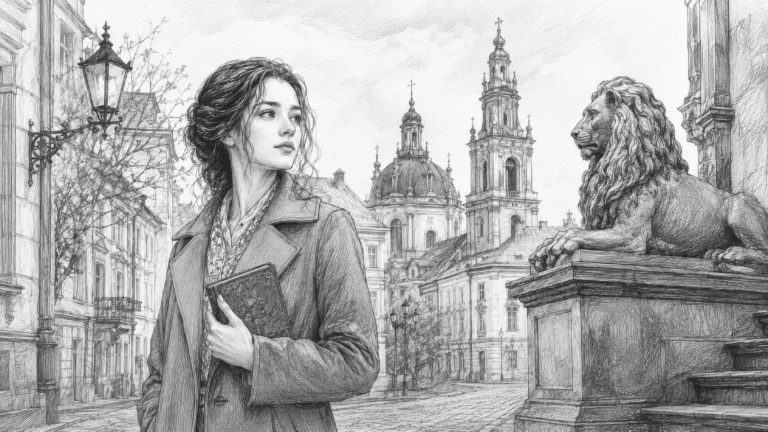
At the vibrant crossroads where East meets West, Slavic and Armenian literatures have flourished, weaving rich tapestries of storytelling that resonate across centuries. Though rooted in distinct languages and histories, these traditions share a profound kinship, shaped by parallel struggles against imperial domination, the scars of war, the ache of diaspora, and an enduring quest for identity. From these shared experiences emerge literary motifs – resilience, memory, and social justice – that speak to universal human dilemmas while celebrating the unique cultural voices of their peoples.
This exploration traces the historical interplay between Slavic and Armenian storytelling, spotlighting the themes and authors that bind these traditions. From medieval epics to modern novels, their works form a dialogue of survival and creativity that continues to captivate readers worldwide. Whether you’re drawn to tales of heroism, reflections on belonging, or the fight for justice, this journey through two remarkable literary worlds offers a lens into the heart of human endurance and imagination.
Historical Context
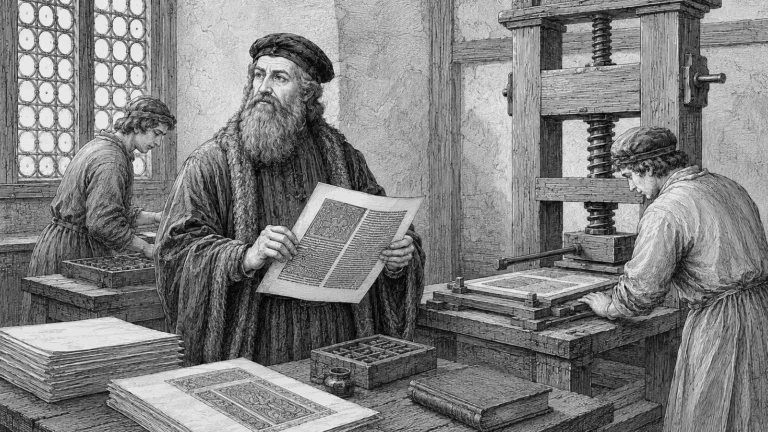
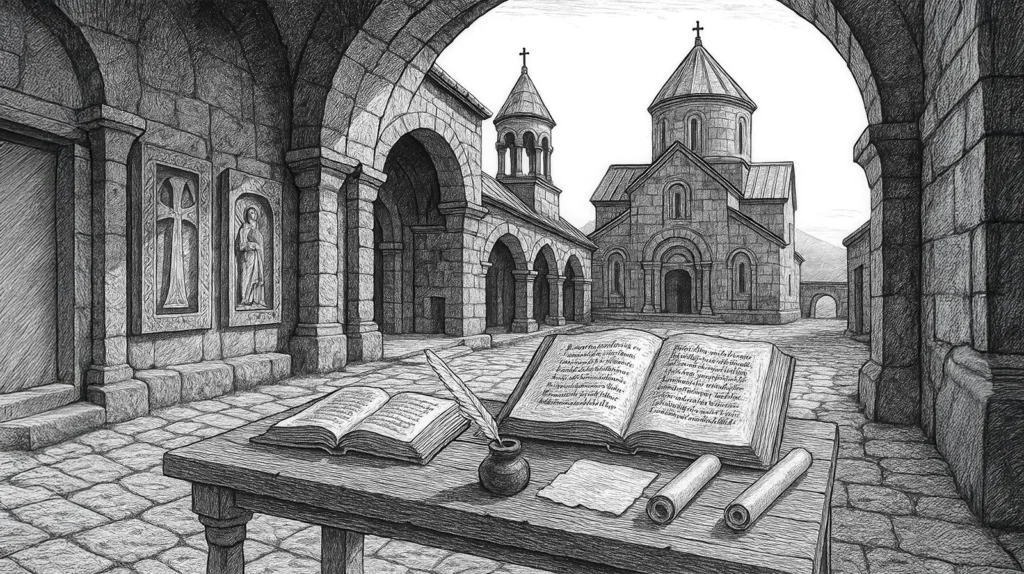
Armenian literature took root in the 5th-century “Golden Age,” ignited by Mesrop Mashtots’s creation of the Armenian alphabet in 405 CE. This milestone transformed oral traditions into written records, fostering a literary renaissance fueled by Christian texts and chronicles. Similarly, Slavic literature emerged in the 9th century with the missionary work of Saints Cyril and Methodius, whose Glagolitic and later Cyrillic scripts brought literacy to the Slavic peoples, enabling sacred and secular writings to flourish.
Both traditions evolved under the weight of foreign rule – Byzantine, Persian, Ottoman, Mongol, Habsburg, and Soviet empires left indelible marks, blending external influences with fiercely guarded cultural identities. The Armenian Genocide of 1915 and the devastation of World War II across Slavic lands etched trauma and resistance into their collective psyches, turning literature into a space for mourning, defiance, and renewal. These historical upheavals infuse their stories with narrative tension, moral urgency, and a relentless drive to preserve heritage against all odds.
Folklore & Oral Tradition
Folklore forms the bedrock of both Armenian and Slavic literatures, preserving archetypes that resonate across time. The Armenian epic Daredevils of Sasun follows David of Sasun, a fearless hero whose battles against invaders embody justice and resistance, passed down through generations of oral storytellers. In the Slavic world, South-Slavic gusle songs from the Krajina region recount tales of valor and betrayal, their haunting melodies a living archive of cultural memory. These oral traditions inspired written works, providing modern writers with timeless symbols to address contemporary concerns like identity and change.
Literary Techniques & Styles
Slavic and Armenian literatures employ a rich array of techniques that enhance their storytelling:
- Intermediality: Narratives transcend the page, inspiring libretti, film adaptations, and theatre performances that broaden their cultural impact.
- Thematic Juxtaposition: Elite, courtly language intertwines with rustic folk meters, creating a dynamic tension that mirrors society’s diverse voices.
- Symbolic Geography: The majestic Caucasus and Carpathian mountains recur as emblems of refuge and resistance, anchoring stories in their rugged landscapes.
These techniques lend depth and versatility, making the literatures both timeless and adaptable.
Cultural Significance & Pluralism
Armenian and Slavic literatures serve as guardians of language, history, and identity, forging unbreakable bonds among communities scattered by diaspora or divided by multilingual states. By embracing influences – from Persian poetry to Orthodox liturgy – they celebrate pluralism, weaving diverse threads into cohesive cultural narratives. In today’s globalized world, these traditions offer a model for intercultural empathy, encouraging readers to find common ground across differences and to honour the richness of shared humanity.
Conclusion
Exploring Slavic and Armenian literatures side by side reveals a vibrant dialogue about survival, memory, and justice, where cultural specificity illuminates universal truths. Their shared themes and interwoven histories testify to the power of storytelling to preserve identity amid upheaval. For modern readers, these cross-cultural narratives serve as both a mirror to humanity’s resilience and a roadmap for nurturing connection in an ever-changing world, inviting us to listen, learn, and find meaning in the stories that unite us.