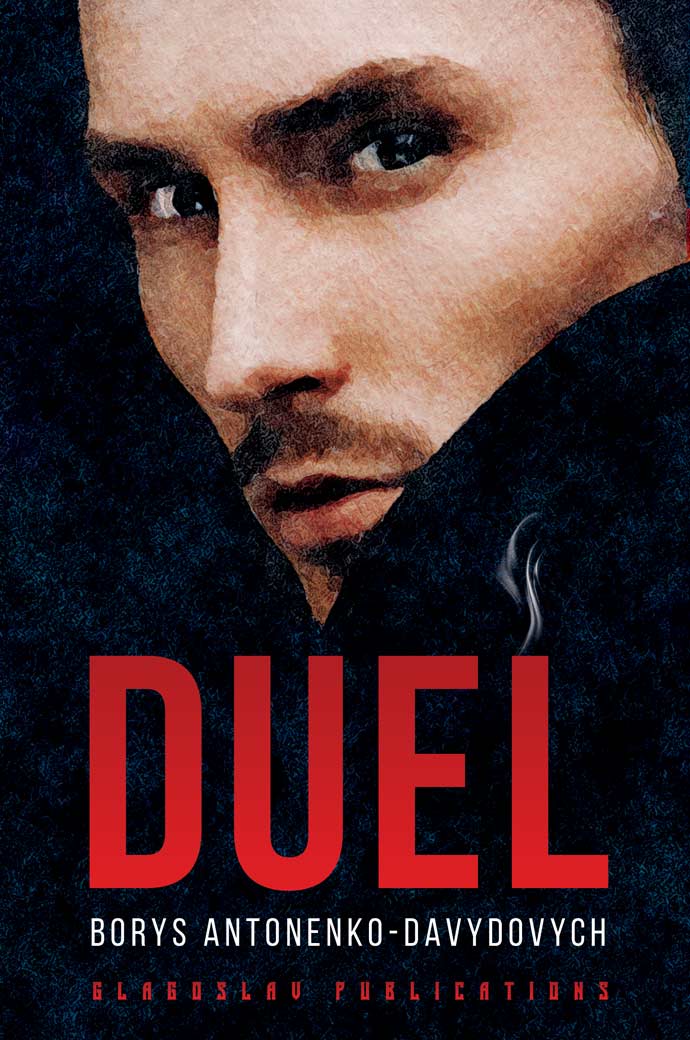
The central character in the gripping, psychological novel Duel is the Ukrainian intellectual Kost Horobenko. Set in the first years of the new Soviet Ukrainian state, the period of militant Communism, Horobenko, is forever duelling with his alter ego, the Ukrainian nationalist.
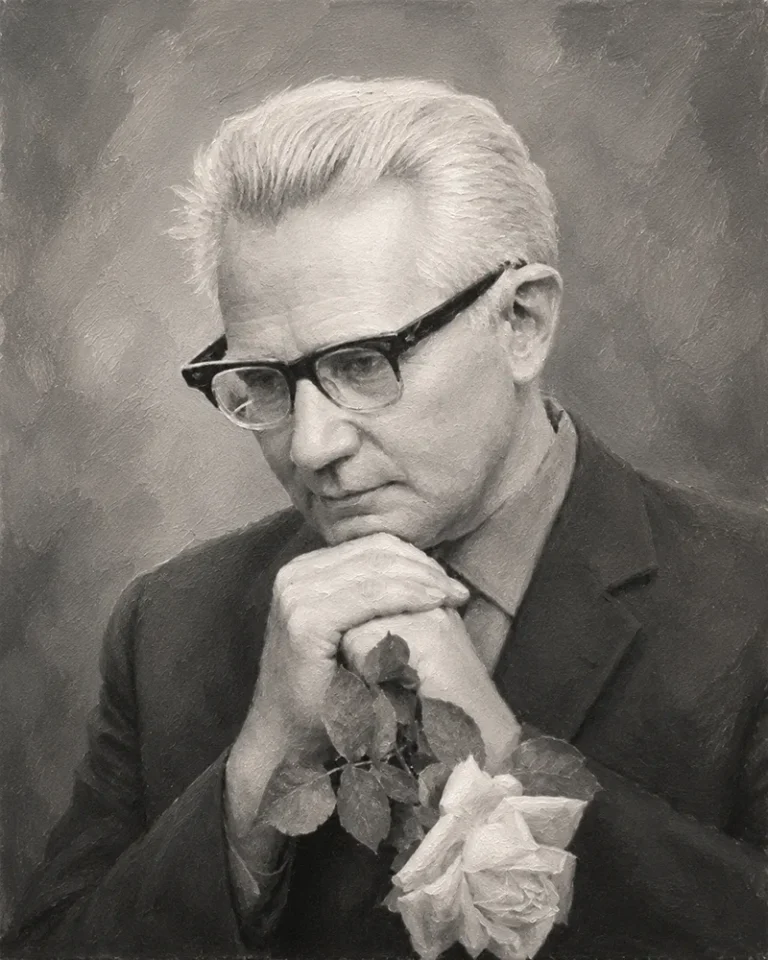
This novel is one of a number of early works from the 1920s by Borys Antonenko-Davydovych, in which the writer tries to analyse the fate of intellectuals during the revolution in the Russian Empire, in particular the fate of those who were initially active in the Ukrainian national revival, and later, because of changed circumstances, were forced to switch to cooperating with the Soviet authorities. Of Antonenko-Davydovych’s works devoted to this question, it is the largest and most profound, according to the literary critic Hryhoriy Kostiuk, and is psychologically complex and multifaceted. The works by Antonenko-Davydovych were welcomed for his rather sharp, satirical view of life.
The novel was first published in the magazine Zhyttia i revoliutsiia in 1927 (iss. 10-12). It was subsequently published in this English translation by Lastivka Press in 1986, with a print run of 2000 copies, and it has been out of print for many years.
Translator
Born in Melbourne, Australia in 1954 and educated as an engineer, Yuri Tkacz left the profession to translate a broad range of works from Ukrainian by such authors as Kaczurowskyj, Honchar, Dimarov, Valeriy Shevchuk, Kariuk, Vynnychenko, Yanovsky and Antonenko-Davydovych. He lived and worked in Canada in the 1980s and in Ukraine in the 1990s. His translations of Hardly Ever Otherwise by Matios, Hard Times by Vyshnia, The Lawyer from Lychakiv Street by Kokotiukha and Precursor by Vasyl Shevchuk have been published by Glagoslav Publications.
Endorsements and Review Quotes
“In this as in his many other translations Tkacz aims for, and succeeds in producing, a fluent and natural-sounding English text that replicates Antonenko-Davydovych’s straightforward prose and, in particular, the naturalness of the original’s dialogues.” Marko Pavlyshyn, ASEES
“The novel is a psychologically insightful and astute portrait of a man at war with himself, a sharp and sometimes satirical look at Party edicts, and a multi-layered and complex exploration of political accommodations. Some useful footnotes help with understanding the background.” Mandy Jenkinson, Historical Novel Society
A “short, grim, fine novel” Robert Blaisdell, Russian Life
“Very much a novel of its times – and a significant one, at that – , Duel also has some purely literary appeal. Certainly of interest.” M.A.Orthofer, the complete review