Hryhoriy Kvitka‑ Osnovyanenko – Founding Father of Ukrainian Prose and Architect of National Identity

Introduction: The Dawn of Ukrainian Prose
Hryhoriy Kvitka-Osnovyanenko (1778–1843) stands at the beginning of Ukrainian literary history. He was the first to shape Ukrainian prose into a form able to carry the life of a nation. During an era of cultural suppression by the Russian Empire, Kvitka-Osnovyanenko made a bold choice. He championed the vernacular, the everyday speech of the people, and turned it into an artistic medium. Through his fiction and drama he raised the dignity of folk life, and began to set down an early vision of Ukrainian national identity.
His stories blended comedy with sharp social commentary. They captured the rhythms of village speech and explored the moral dilemmas of ordinary people. In doing so, Kvitka-Osnovyanenko laid the literary groundwork. Later titans, such as Taras Shevchenko and Ivan Nechuy-Levytskyi, would build upon this foundation. This article explores Kvitka’s life and cultural context. It also examines his major works, thematic concerns, and lasting impact on Ukrainian and world literature.
Early Life & Formative Influences: Roots in Kharkiv Soil
Hryhoriy Kvitka-Osnovyanenko was born into a minor gentry family near Kharkiv. In his early years, Ukrainian folk tradition met Enlightenment ideas. For instance, Jesuit-influenced schooling introduced him to Western dramatic forms. Simultaneously, local fairs steeped him in oral storytelling and song. These dual influences would become hallmarks of his later work.
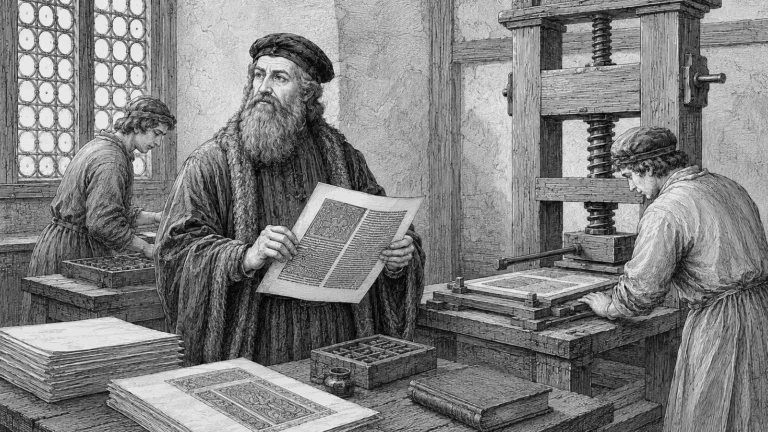
The late 18th century saw a growing cultural awakening. This was sparked by earlier printing enterprises in Lviv and Kyiv, which offered models of written Ukrainian. However, tsarist edicts still banned most Ukrainian-language publications. Kvitka’s decision to write in Ukrainian was therefore an artistic and a political act at once.
Literary Context & Cultural Backdrop: A Language Under Siege
Ukrainian letters at the turn of the 19th century were in transition. They moved from late Romanticism toward emerging realism. Influenced by European sentimentalism, early Ukrainian writers often emphasized folklore and the Cossack past. Kvitka-Osnovyanenko, however, bridged these modes. He melded emotive Romantic settings with the concrete detail of realist prose.
The wider political situation was complex. Partitioned Polish-Lithuanian lands lay to the west, and centralizing Russian power dominated the east. This created a multilingual frontier. Here, questions of language and identity were inseparable from literature. Kvitka’s prose was therefore a quiet form of anti-colonial resistance. It asserted cultural sovereignty without saying so.
Major Works & Genre Breakthroughs: Carving a New Literary Path
Kvitka-Osnovyanenko’s pen was prolific, and his works opened new ground for Ukrainian literature:
“Marusya” (1834)
Marusya is often cited as the first Ukrainian sentimental novella. This work tells a simple love story. Yet it also monumentalizes rural morals and local customs. Marusya proved that Ukrainian could sustain a subtle psychological narrative. It was a declaration of linguistic and literary capability.
Social-Household Comedies: The Birth of a National Theater
Plays such as The Courtship at Honcharivka and The Shelmenko-Orderly were new in kind. Kvitka-Osnovyanenko fused folk humor with sharp critique of petty-bureaucratic corruption. These comedies laid groundwork for modern Ukrainian theatre. They created a stage where Ukrainian life could be portrayed and celebrated.
Short-Story Cycles: Voices of the People
Stories like “The Village Madwoman” and “The Soldier from Apostolove” show Kvitka’s command of narrative voice. He switched between an ironic narrator, a folksy sage, and a compassionate realist. These stories carry a wide range of Ukrainian voices.
Key Themes & Motifs: Weaving the Fabric of a Nation
Through his varied works, Kvitka-Osnovyanenko explored themes that still carry weight:
National Identity & Cultural Survival: The Quiet Defense
Kvitka’s characters often defend local customs, language, and Orthodox faith against imperial assimilation. His plotlines hinge on preserving dignity and tradition rather than grand military exploits. This signaled a people-centric nationalism. It was rooted in cultural resilience.
Social Justice & Anti-Colonial Satire: Laughter as Resistance
Through comedic exaggeration of corrupt officials, Kvitka exposed colonial hierarchies. At the same time, he championed peasant wisdom. His dialogue indicted serfdom and patriarchal abuses without overt revolutionary rhetoric. This subtle approach often evaded censorship yet still stirred debate.
Faith, Morality & Sentimentalism: The Compass of the Heart
Christian ethics run through many plots; compassion, humility, and familial piety are extolled. Sentimental scenes such as tears, prayers, and deathbeds worked as moral instruction. These moments aimed to build empathy in both rural and urban audiences.
Stylistic Innovations: The Sound of Authentic Ukraine
Kvitka-Osnovyanenko’s literary voice rested on several innovations:
- Hybrid Language: He crafted a literary Ukrainian seasoned with Church Slavonic archaisms and colorful Kharkiv dialect. This gave the prose a local, spoken feel.
- Frame Narration: “Storyteller” personas often mimicked the oral skaz technique. This invited readers into an intimate, fireside circle.
- Code-Switching Humor: Sudden Russian or Polish phrases cleverly mocked imperial pretensions. This was a subtle form of wit.
- Ethnographic Detail: Close descriptions of clothing, food, and ritual foreshadowed modern realist ethnography. These details recorded Ukrainian life in sharp focus.
Legacy, Influence & Modern Relevance: A Voice That Lasted
Kvitka’s validation of Ukrainian prose opened the way for his successors. For example, Shevchenko deepened socio-political critique. Nechuy-Levytskyi and Myrnyi expanded psychological realism. Lesya Ukrainka adapted folk comedy into European modernism. He was, in essence, a starting point for much of 19th-century Ukrainian literature.
In today’s Ukraine, language again marks resistance, and Kvitka’s insistence on vernacular dignity still matters. His comedies are revived on post-Soviet stages, their humor still sharp. His novellas appear in new translations. These speak to global conversations about decolonizing literature.
Conclusion: The Architect of Ukrainian Prose
Hryhoriy Kvitka-Osnovyanenko turned everyday speech into art. He also raised village life into the national narrative. By doing so, he established Ukrainian prose as a vehicle for cultural self-assertion. His blend of humor, realism, and moral vision continues to shape Ukrainian literary identity. His work shows how storytelling can hold a nation together.